Two years ago, FUFA embarked on a journey to power football through sports science and performance data. What began as a strategic shift towards evidence-based football management is now shaping how clubs train, analyse performance and make decisions both on and off the pitch.
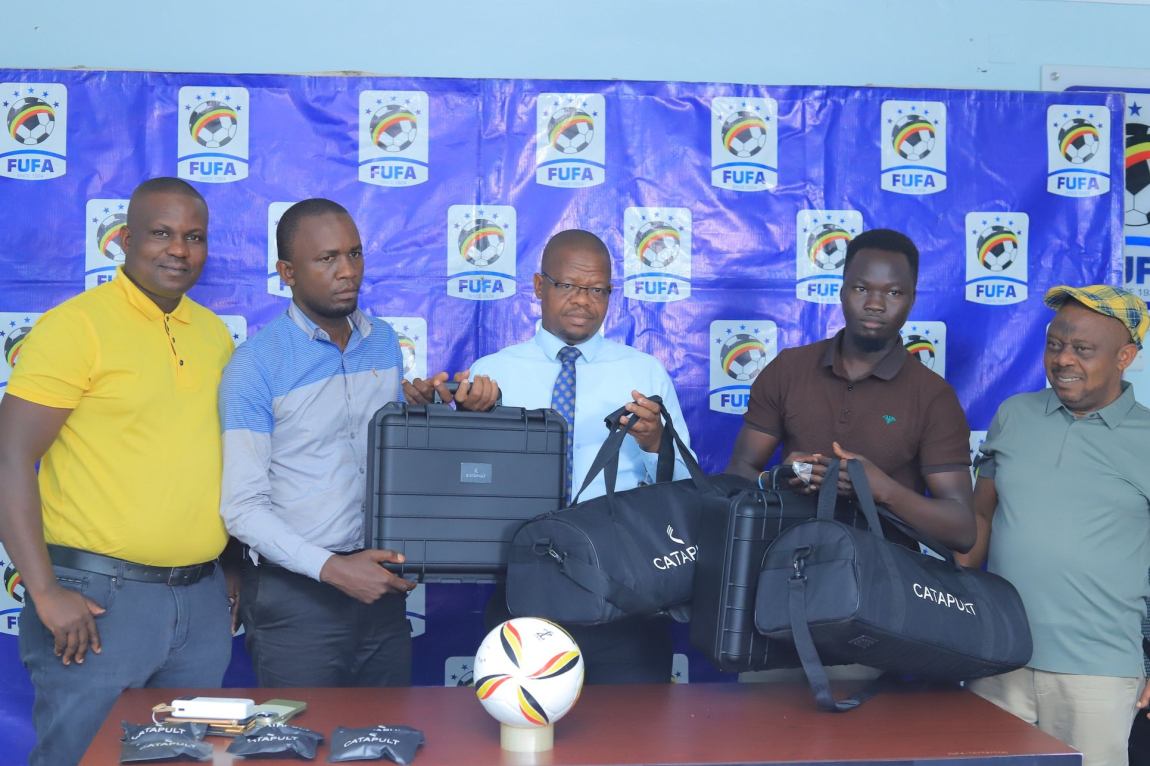
To deepen this work, FUFA has finalised plans to bring on board a trained and qualified sports science professional to the football development department.
The new personnel will support clubs on the proper use of Catapult data, including interpretation, analysis and application for informed decisions.
This is intended to reduce challenges faced by club operators and to ensure that coaches can use collected data to manage player load, recovery and performance more effectively.
The initiative also connects to wider reforms under the FUFA Technical Master Plan, including coach education, talent identification, performance analysis and research. Together, these efforts are professionalising the environment around the player.
Across world football, data and technology have become central to the modern game.
In line with this global evolution, the Federation of Uganda Football Associations (FUFA) continues to implement its Technical Master Plan with a strong focus on innovation, sports science and structured player development.
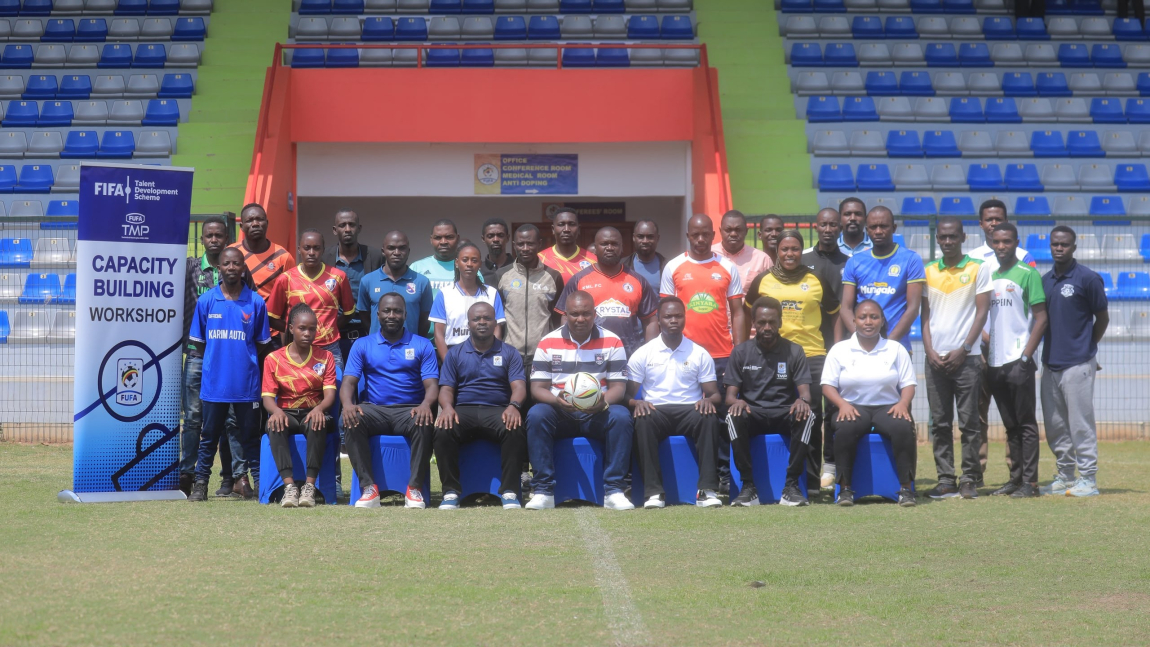
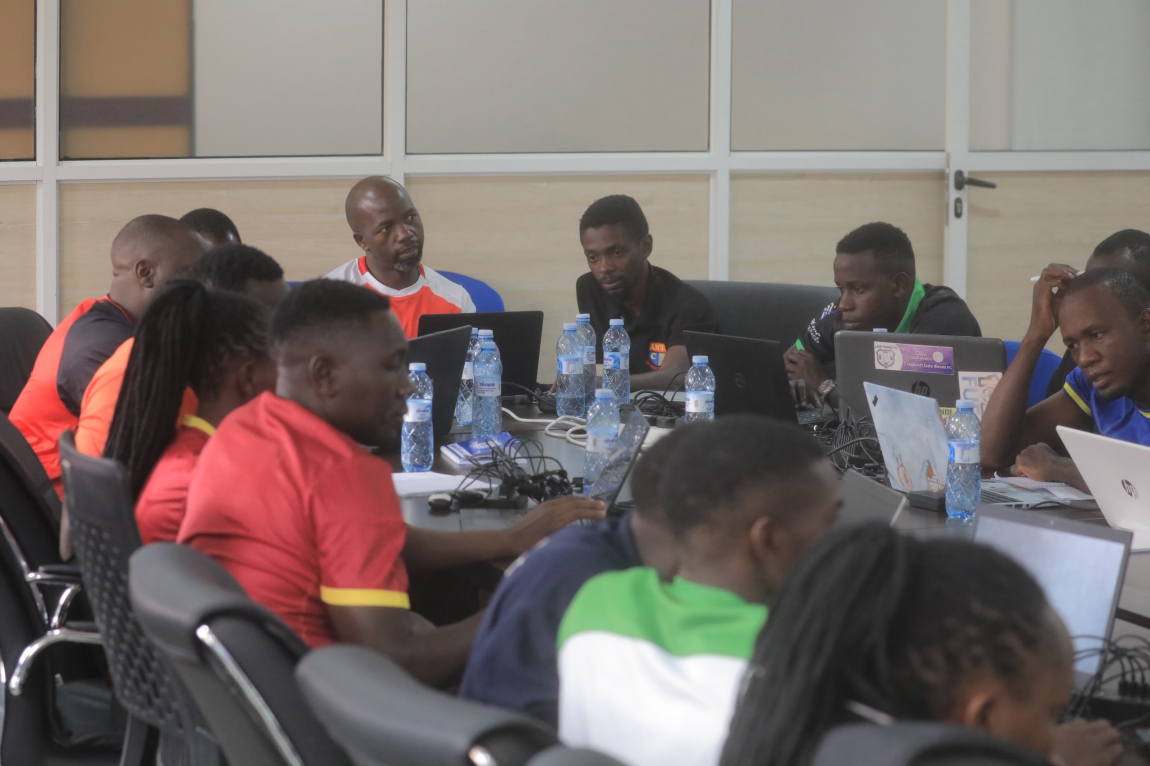
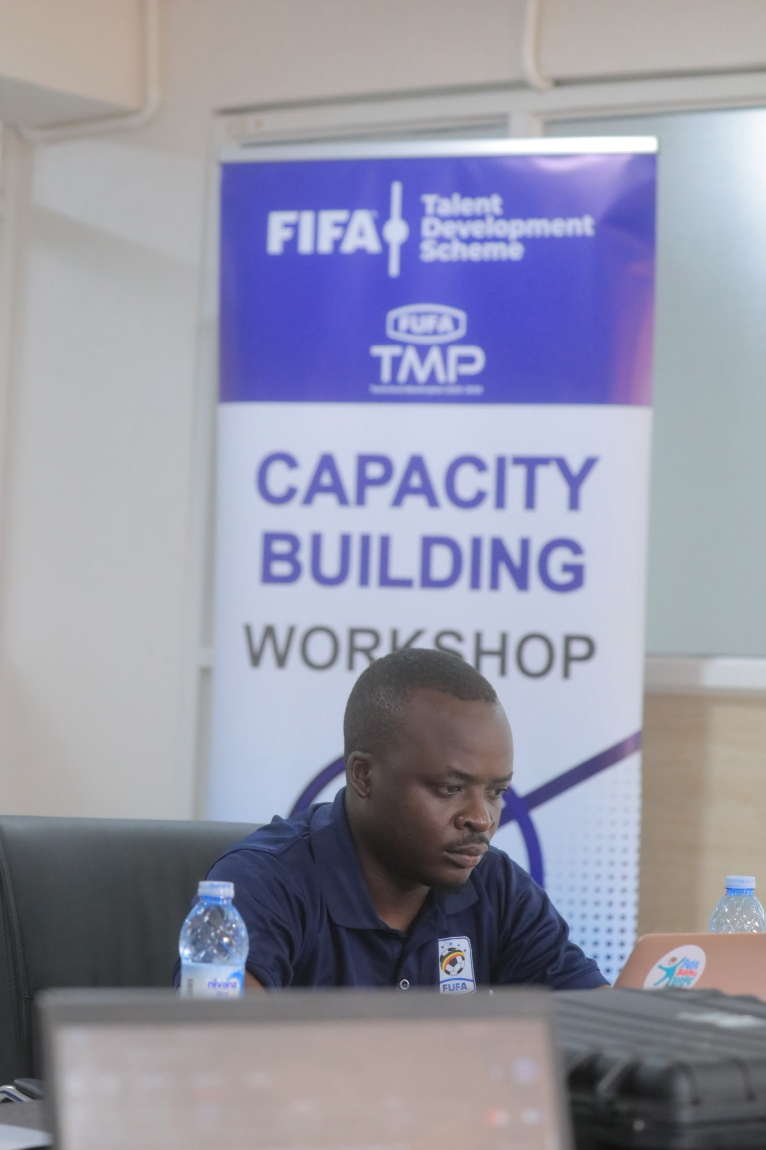
The Federation conducted a Catapult Operators Workshop recently for clubs competing in the Uganda Premier League and the Finance Trust Bank FUFA Women Super League.
The workshop brought together Catapult operators from across both competitions to strengthen their capacity in the use of athlete monitoring technology.
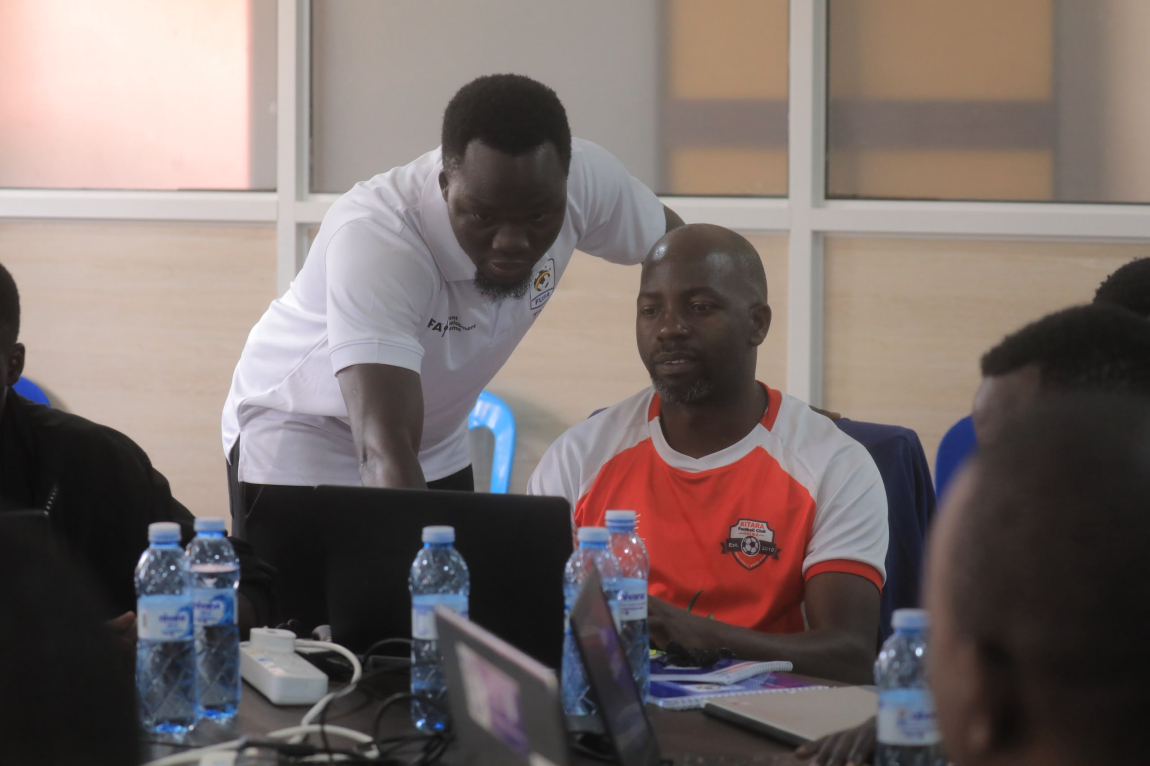
Sessions focused on Global Positioning System (GPS) data collection, performance analysis, workload monitoring and reporting.
These areas are central to helping coaches better understand player output and make informed decisions on training and match preparation.
The workshop also created a platform for participants to share experiences, address operational challenges and align on standardised data collection and management procedures across both leagues. This consistency is key in improving the reliability of performance data used by technical teams.
Introduced in the 2024/25 season, the Catapult system has become an important component of FUFA’s performance monitoring framework.
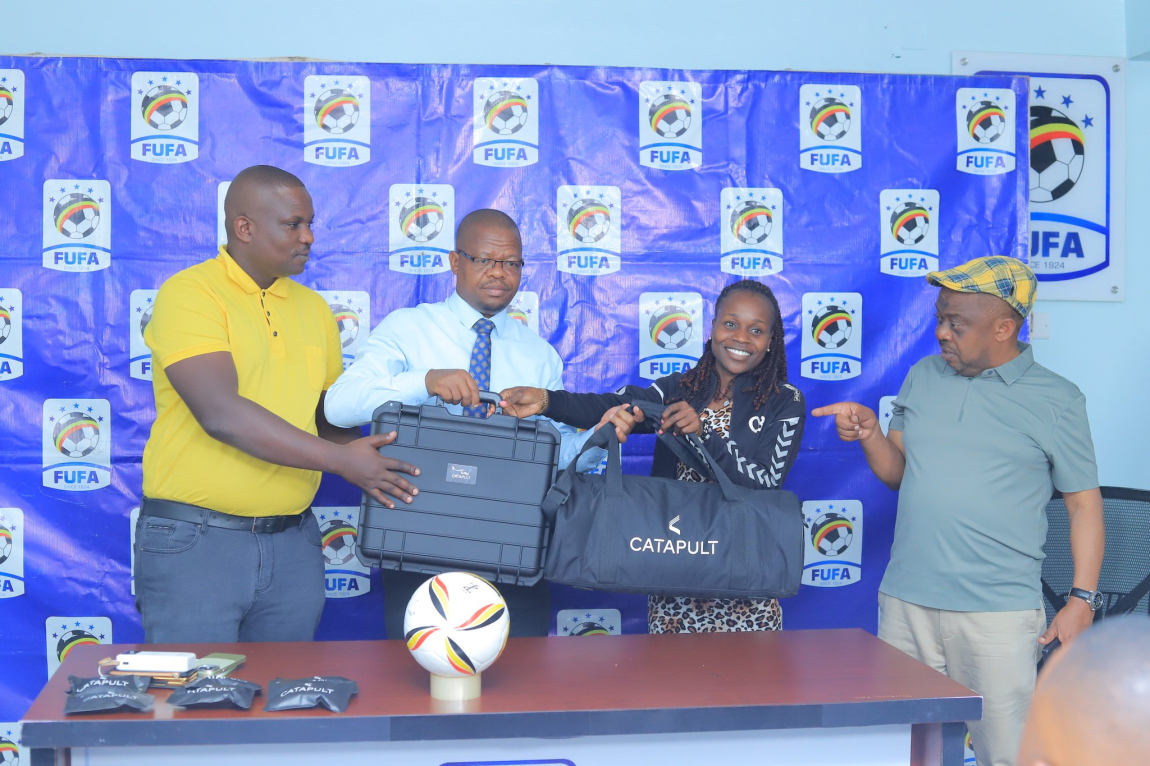
Uganda Premier League and FUFA Women Super League clubs are equipped with systems capable of tracking and monitoring players. The system provides detailed metrics including distance covered, sprint intensity, speed and overall workload.
Football Development Director Bashir Mutyaba highlighted FUFA’s commitment to aligning Ugandan football with global best practices through the FA Master Plan.
‘The use of Catapult technology across our top competitions reflects a global shift in football where data and performance science guide preparation and decision-making.
‘Through this workshop, we are strengthening the capacity of club operators to accurately collect and interpret performance data in line with international best practice.
‘This ensures that coaches are better equipped to make informed decisions that improve performance, manage training loads and reduce injury risk.
‘Ultimately, our goal is to ensure that every Uganda Premier League and Finance Trust Bank FUFA Women Super League club fully benefits from sports science as we continue to raise the standards of the game under the FUFA Technical Master Plan.’
The Catapult programme remains a key pillar within FUFA’s broader Technical Master Plan, which continues to promote coach education, talent identification and performance analysis. Through sustained investment in technology and training, FUFA is building a football system that reflects global standards while strengthening player development pathways across Uganda.
The Catapult operators speak
Meddy Menya – Vipers SC
‘The workshop was a valuable refresher and helped us correct small mistakes that affect the quality of our data.’
‘Catapult enables us to monitor player recovery, individualise training programmes and support coaching decisions with objective data.’
‘The system can identify players at risk of injury before injuries occur, making it an important tool for player welfare.’
Serebe Ismail – URA FC
‘The workshop has strengthened our understanding of performance data and how it influences decision-making.’
‘We have learnt that winning matches is about the intensity of play and effective space coverage, not just the total distance covered.’
‘Catapult helps us manage player load, plan training, reduce injury risk and make informed substitution decisions.’
‘There is still a need to improve data analysis and interpretation among practitioners and coaches.’
Faridah Mutesi – Entebbe UPPC
‘The workshop has improved how we work with coaches by using performance data throughout the season.’
‘As football becomes more data-driven, continuous training and planning are becoming increasingly important.’
‘We also have a responsibility to continue learning and researching so that we can analyse performance data more effectively.’
Geofrey Tumwesigye – Kitara FC
‘The workshop refreshed our knowledge and introduced us to new skills in reporting and data analysis.’
‘We are now better prepared to integrate the Catapult system into both training sessions and competitive matches.’
‘To maximise the benefits of the system, there is a need to replace some of the equipment that has become worn out.’


