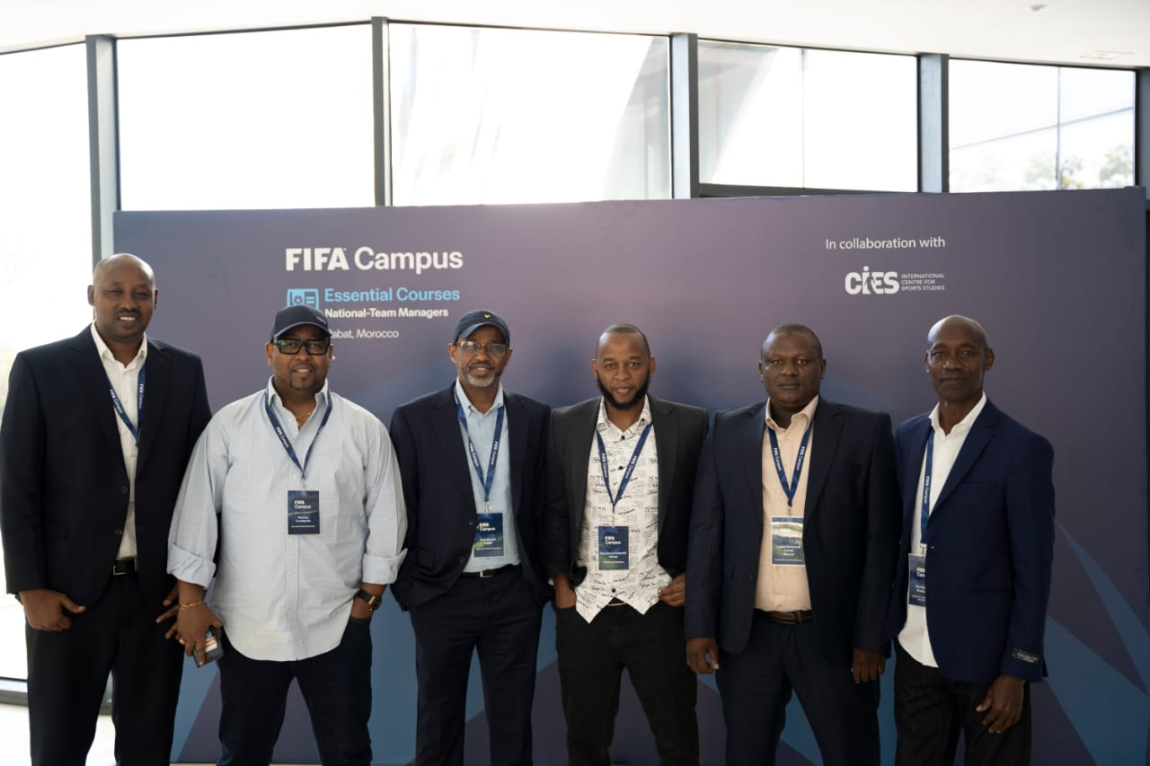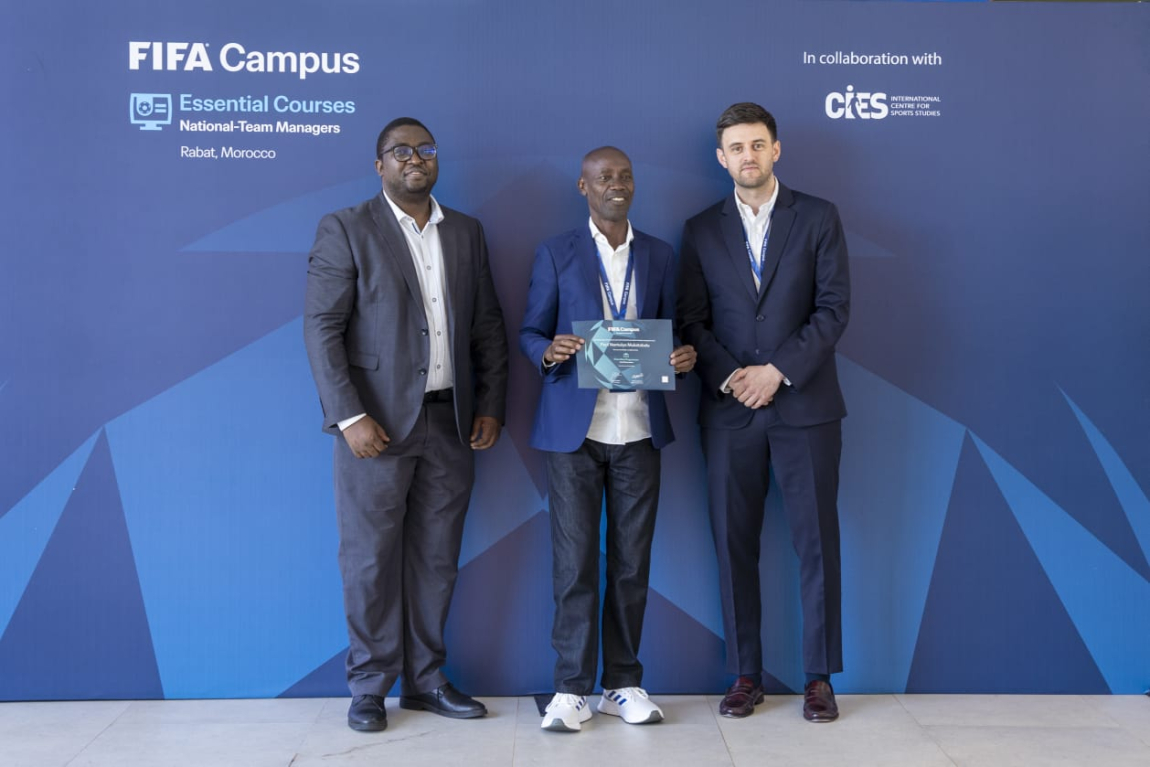
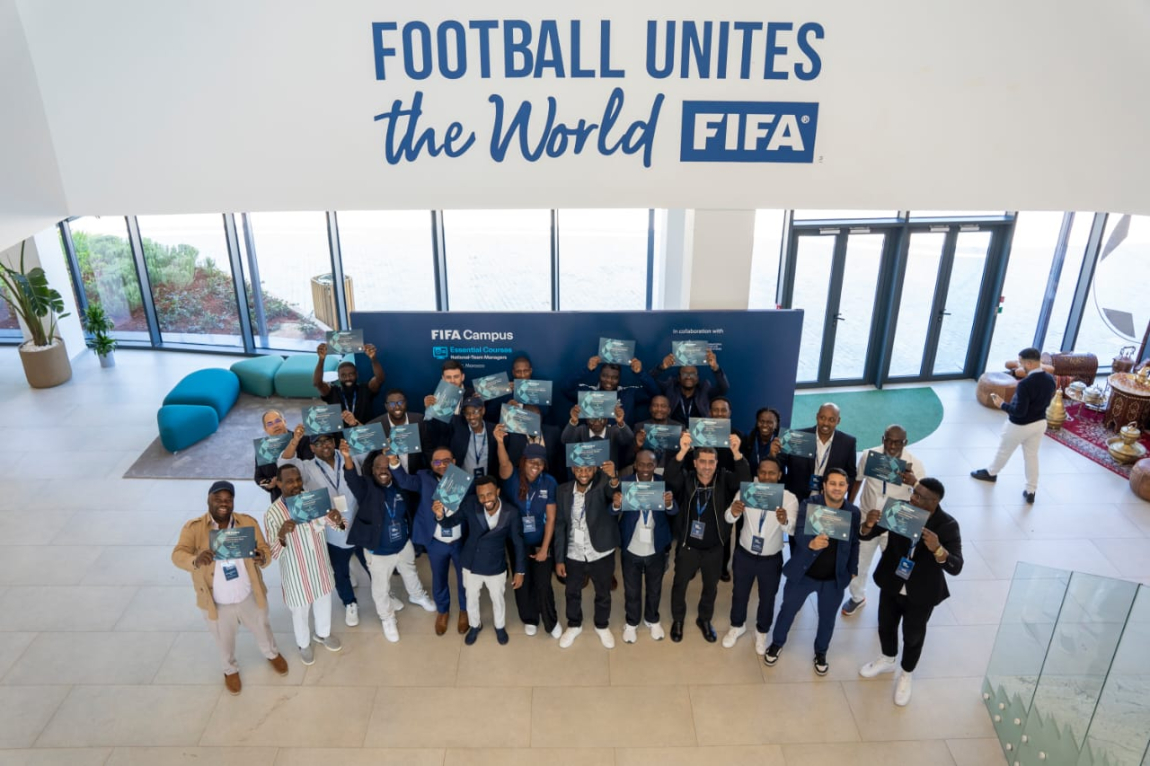
The inaugural FIFA–Africa National Teams Manager Course concluded successfully following a six-week programme delivered by FIFA for national team administrators across the continent.
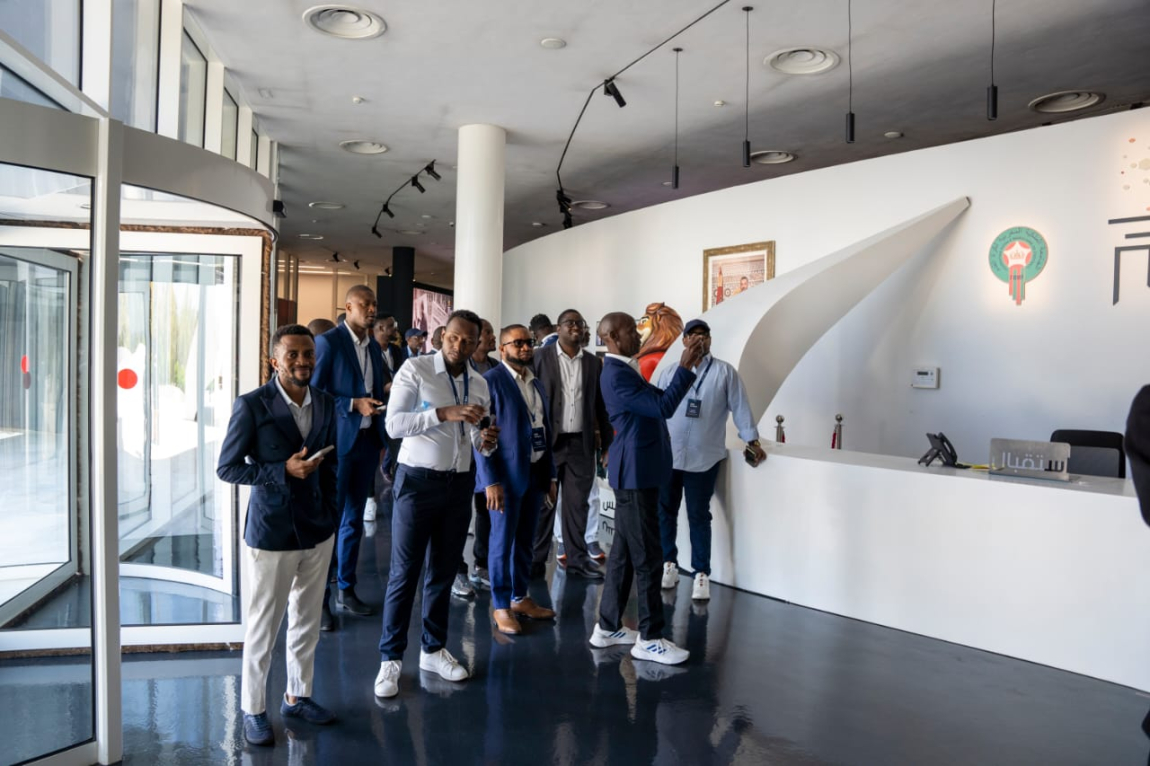
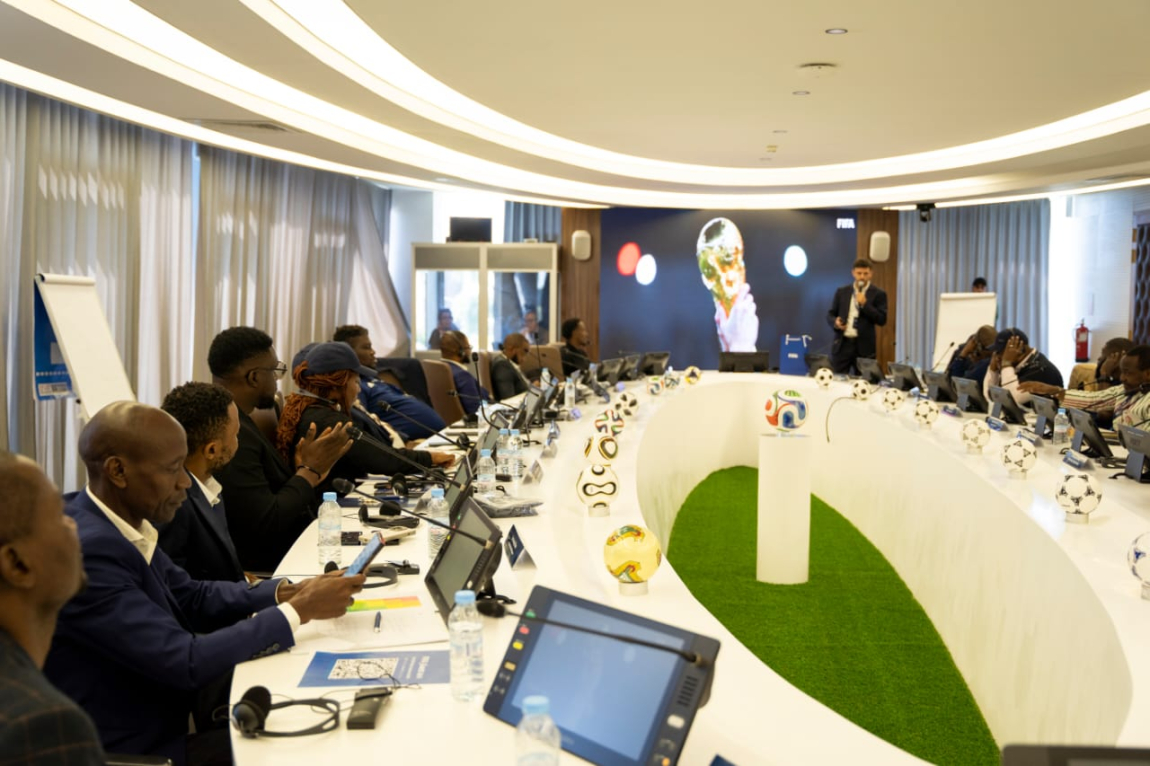
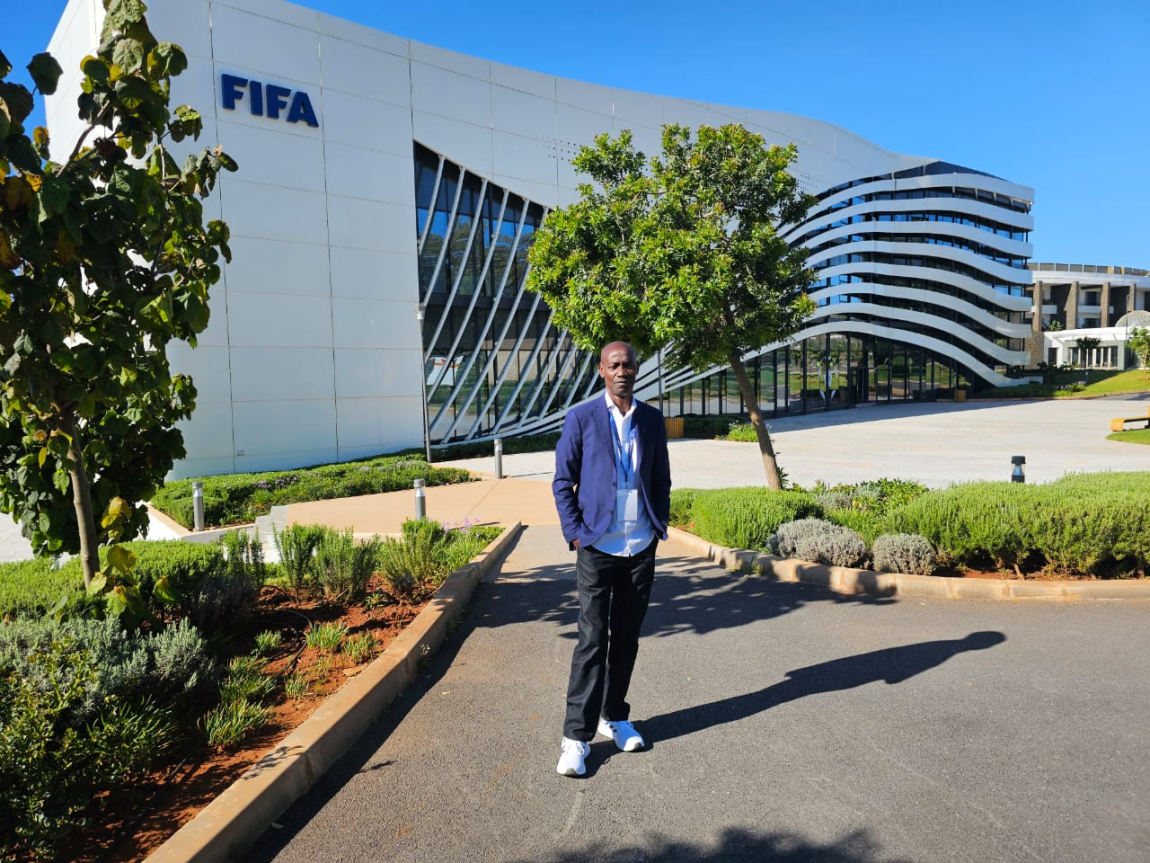
The course, which ran from 9th March to 16th April 2026, combined online learning with an on-site module hosted at the FIFA–Africa Regional Office in Rabat. The first phase consisted of three-and-a-half weeks of virtual study, while the final module brought all participants together in Rabat from 12th to 16th April.
FUFA was represented by National Teams Officer Paul Mukatabala, who successfully completed the programme alongside peers from across Africa.
The programme was structured into five comprehensive modules designed to strengthen the professional capacity of national teams managers. Participants covered key areas including the role of the team manager, player eligibility, and the naturalisation of players within international football frameworks.
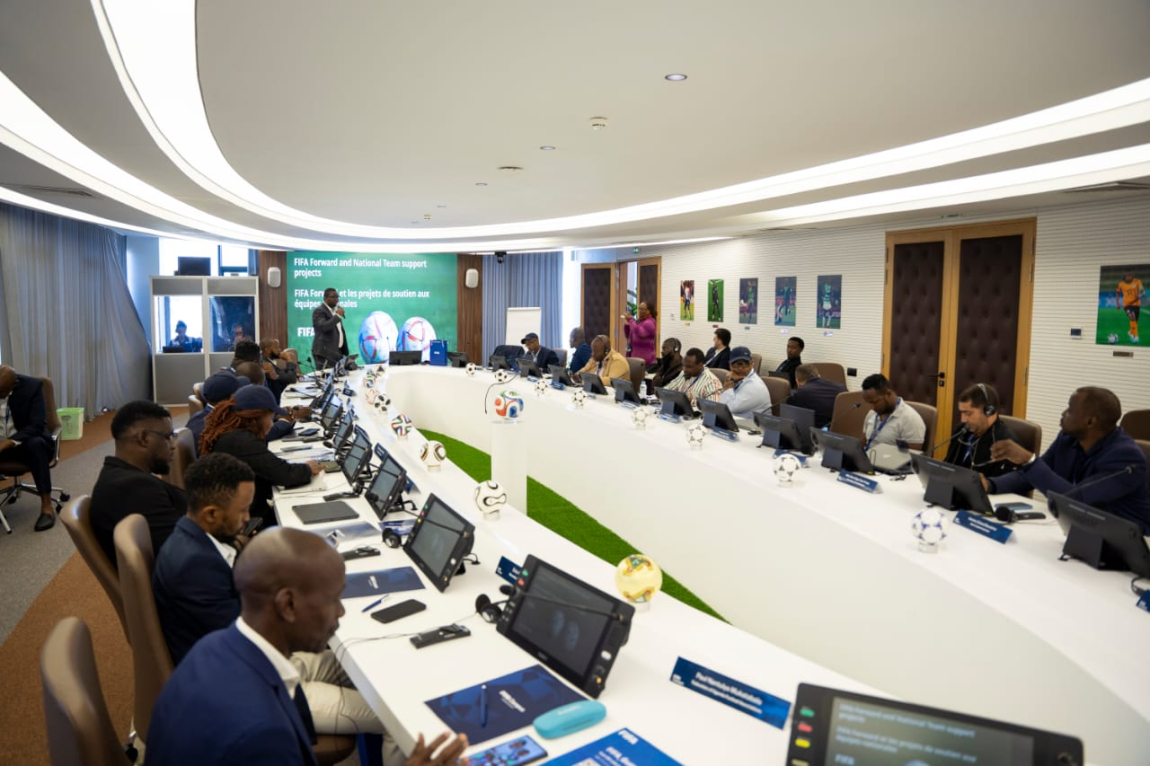
Further modules addressed compliance and administration, crisis management, budgeting and match organisation, as well as advance party responsibilities. The course also explored FIFA funding structures for continental bodies, regional bodies, and member associations, alongside operational aspects of FIFA matches and the FIFA Series.
In addition, participants engaged with content highlighting the growth and increasing importance of women’s football, reflecting the global development agenda led by FIFA.
Speaking after the course, Mukatabala described the experience as ‘very enriching and resourceful.’
‘Plenty of useful knowledge that makes a Team Manager more holistic as a person and an administrator, as I emerged out of this course all for the better in terms of how to relate with the FA administration, as well as the teams, including players and technical staff,’ he noted.
He added that interaction with fellow participants was equally valuable. ‘It was intriguing relating with other Federations’ Team Managers and getting an insight into some of the challenges they encounter on the job, and how they manage intricate situations.’
The course marks a significant step in enhancing administrative excellence and professional standards among national teams across Africa, in line with FIFA’s commitment to capacity building within its member associations.