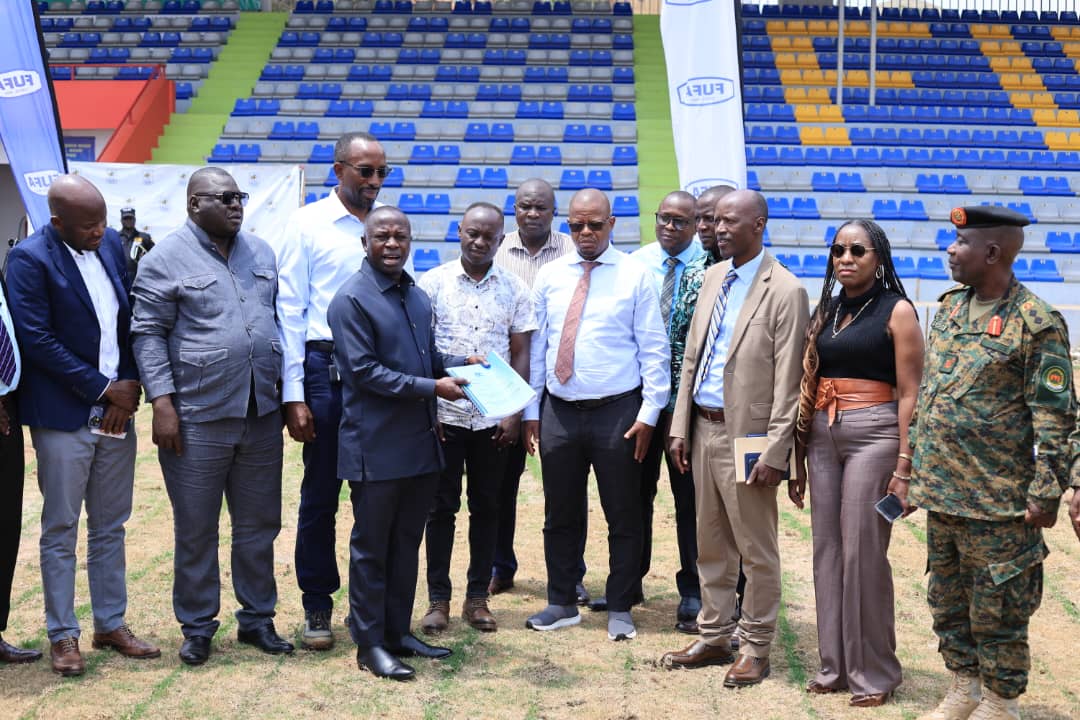
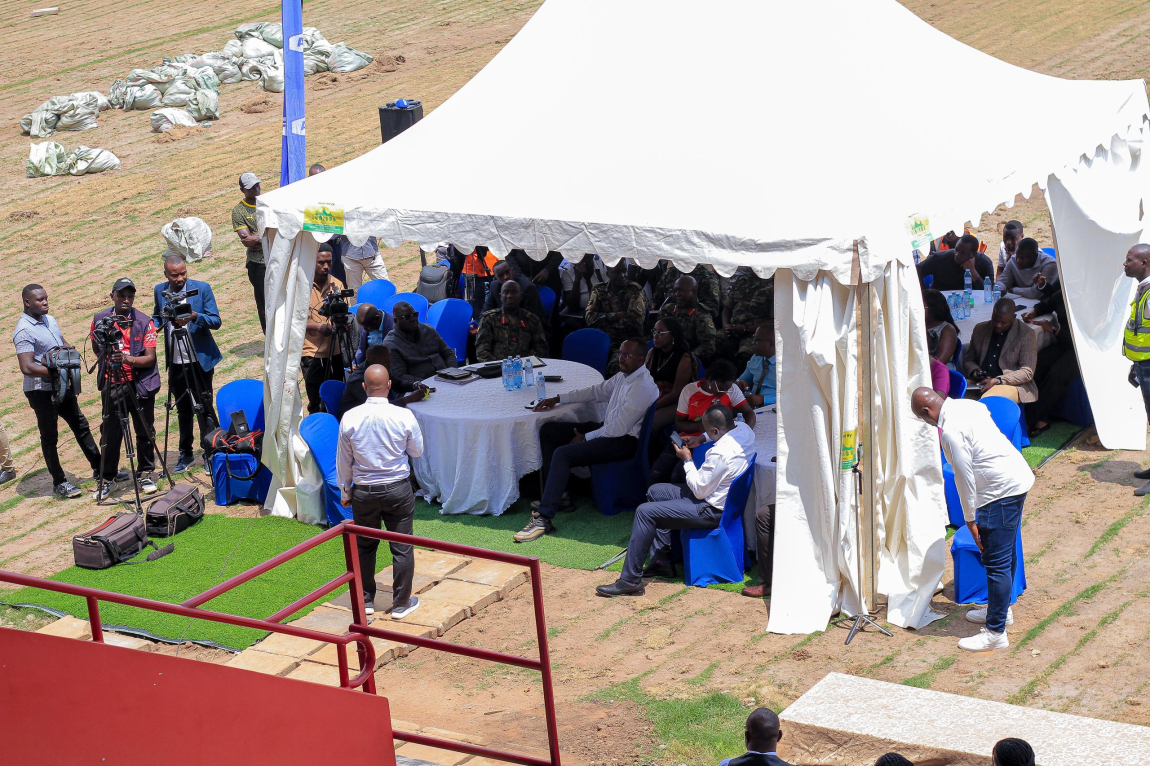
FUFA formally handed over FUFA Stadium, Kadiba, to the National Council of Sports (NCS) on 18th August 2026 for further redevelopment as preparations continue to position the facility as a training venue for the Africa Cup of Nations (AFCON) 2027.
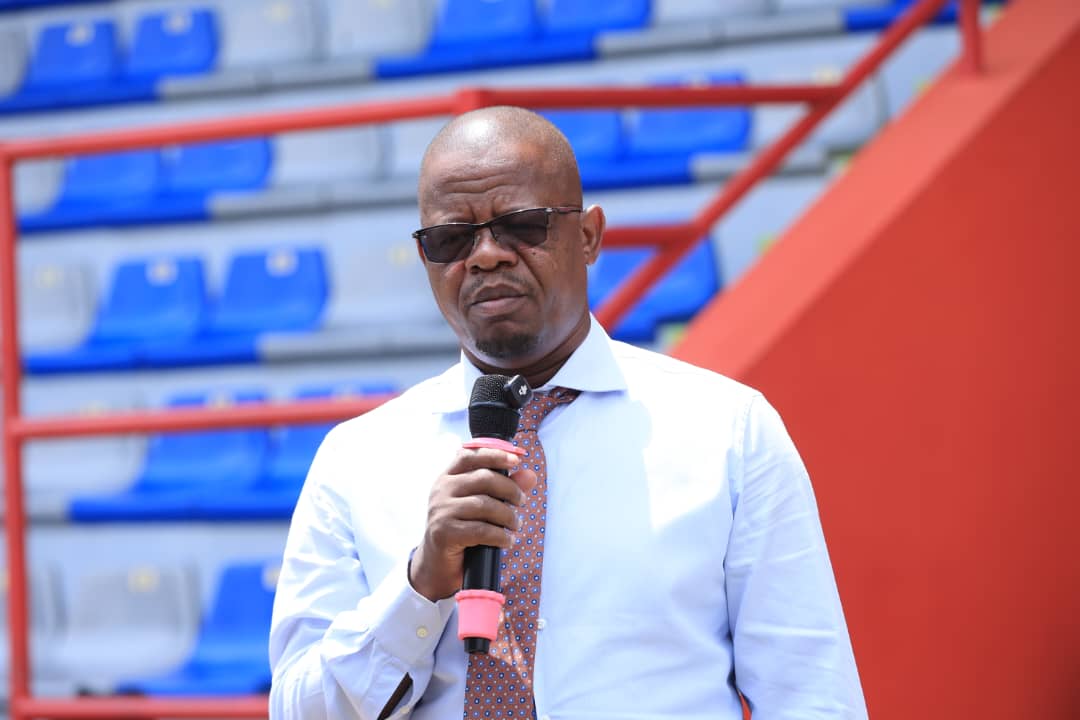
The handover marks another milestone in Uganda’s preparations to host the continental showpiece alongside Kenya and Tanzania, with the facility set to undergo works targeting the playing surface, floodlights and drainage.
The stadium was used as a training facility during the recently concluded African Nations Championship (CHAN) and will now be further upgraded to meet the standards required for AFCON 2027.
The Chief Guest, Minister of State for Education and Sports (Sports) Hon. Peter Ogwang, reaffirmed Government’s commitment to ensuring Uganda is ready to host the tournament and directed the contractor to undertake the works in line with CAF standards.
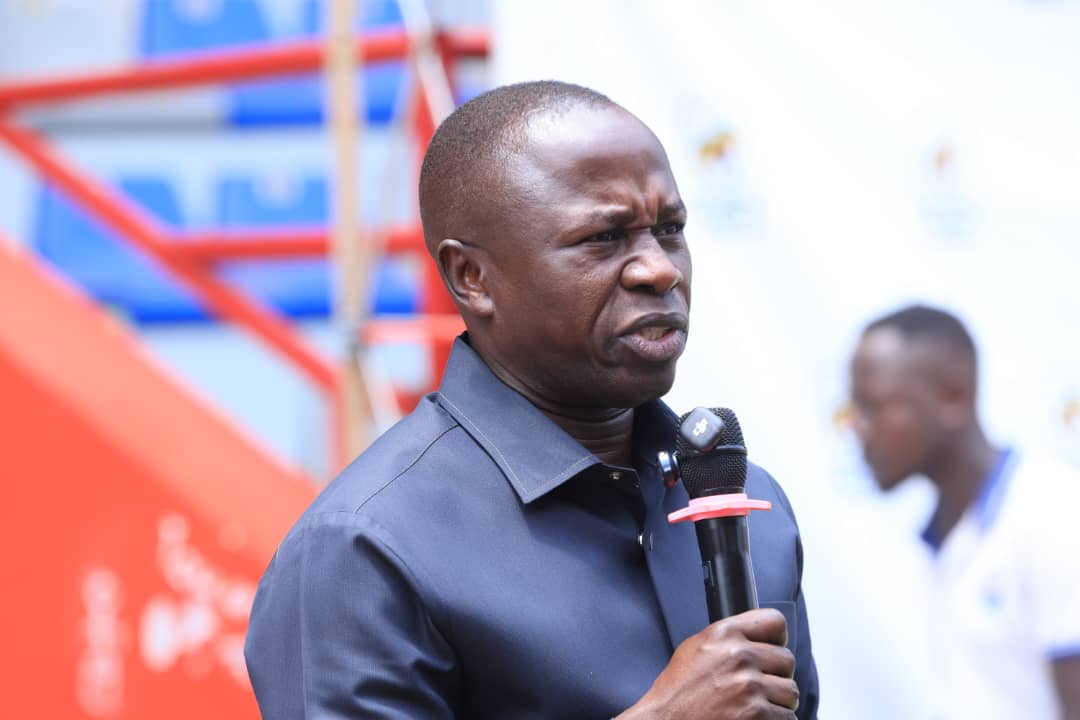
‘The contractor, as you do your work, you must be cognisant of the fact that there are standards which are set out for this pitch to qualify to become a training facility,’ Ogwang said.
He said the Government’s investment in AFCON 2027 infrastructure was part of a broader recognition of sport as an important contributor to Uganda’s economy through job creation, tourism, business and revenue generation.
‘Sports is no longer for leisure. Sports is now one which can bring in money. It can create jobs. It can create a lot of opportunities. It can boost our revenues,’ he said.
Ogwang also commended FUFA for initiating Uganda’s AFCON 2027 bid and credited Government for supporting the project.
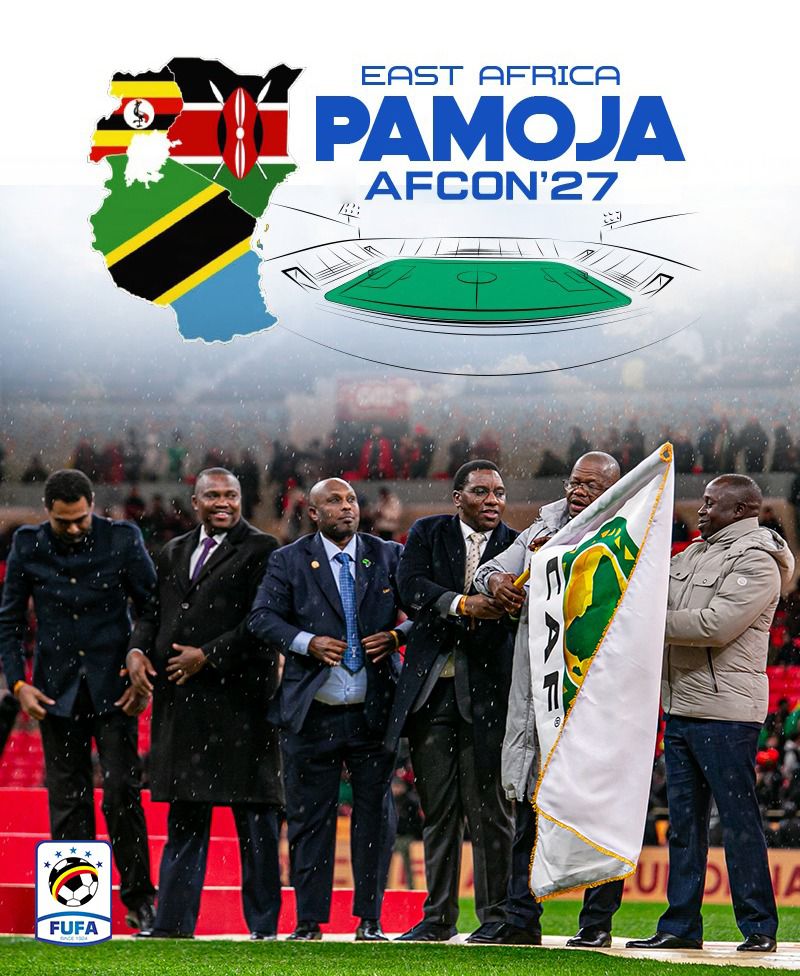
‘I want to thank Honourable Moses Magogo and the entire FUFA community for coming up with the AFCON 2027 project,’ he said.
‘Government has put on an investment of almost 3 trillion shillings in this project.’
The Minister further highlighted the need for AFCON 2027 to leave a lasting sports infrastructure legacy beyond the tournament, noting that Government would continue working with sports federations and other stakeholders to improve facilities across the country.
He specifically pointed to the need to develop facilities in areas including Mbarara, Jinja, Mbale, West Nile and Kampala, while noting ongoing efforts around Lira and Aki-Bua.
For FUFA President Hon. Magogo Moses Hassim, the handover was a historic moment for a facility that has played a significant role in the development of football talent in Uganda.
‘It is very historic for us that where talents have been developed, eventually it is becoming a home of football,’ Magogo said.
The FUFA President recalled that the facility began on land provided by Namirembe Diocese, initially comprising four acres, before FUFA acquired additional land to expand the facility to approximately 6.4 acres.
He noted that FUFA’s development of the facility has also benefited from FIFA support, while Government investment ahead of CHAN contributed to its continued transformation.
FUFA Stadium Kadiba has since become an important football facility, hosting domestic competitions, international matches and serving the surrounding community.
Hon. Magogo Moses Hassim said FUFA’s ambition is to further expand the facility and develop an additional playing surface to support the main pitch and ensure its long-term sustainability.
He explained that the natural grass surface being installed for AFCON 2027 will require careful management because of its maintenance demands.
‘We don’t want to put to waste what is going to be put here. We need to find a balance so that these facilities that we are getting are not wasted,’ he said.
The FUFA President also used the occasion to call for continued investment in football facilities beyond the AFCON venues, particularly at regional and community level.
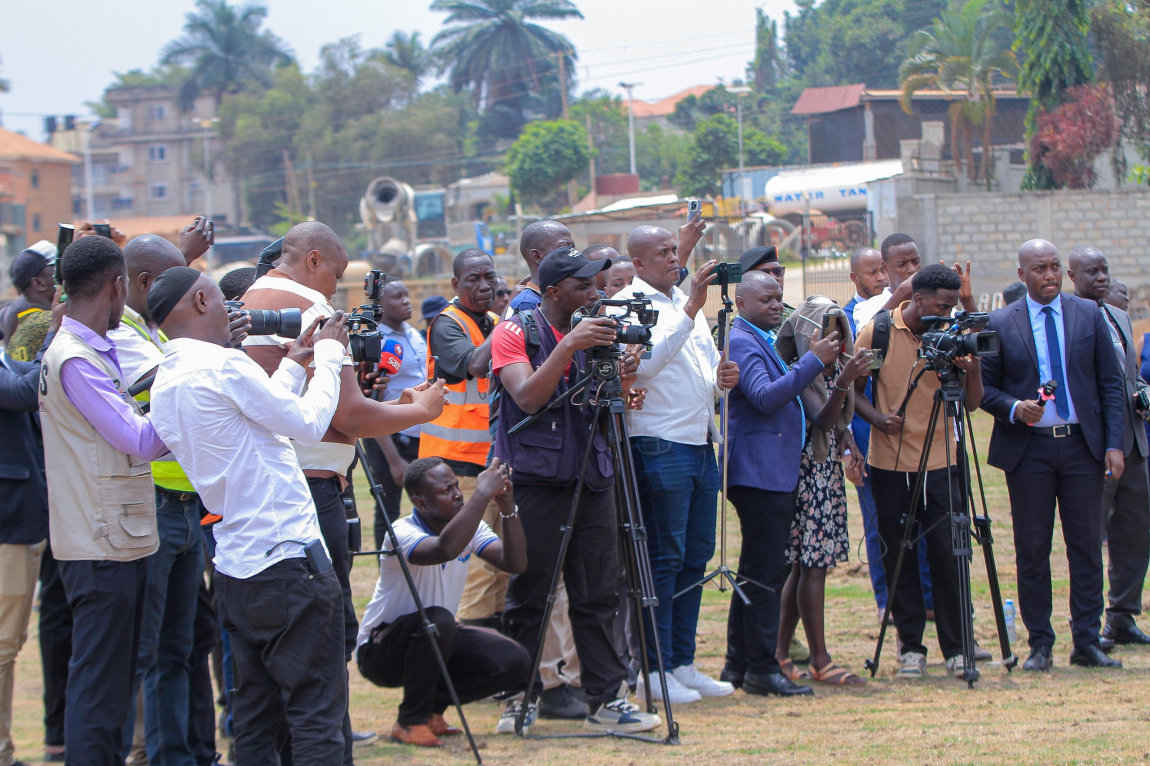
He identified Mbarara, Jinja, Mbale and West Nile among areas that require priority attention, while also calling for additional artificial playing surfaces in Kampala to ease pressure on the limited number of pitches.
‘Football cannot be played without infrastructure,’ Magogo said, emphasising that quality playing surfaces and facilities are critical to player development, domestic competitions, club sustainability and the overall quality of the football product.
He thanked the Government of Uganda for supporting the country’s bid to host AFCON 2027 and for the significant investment made in football infrastructure.
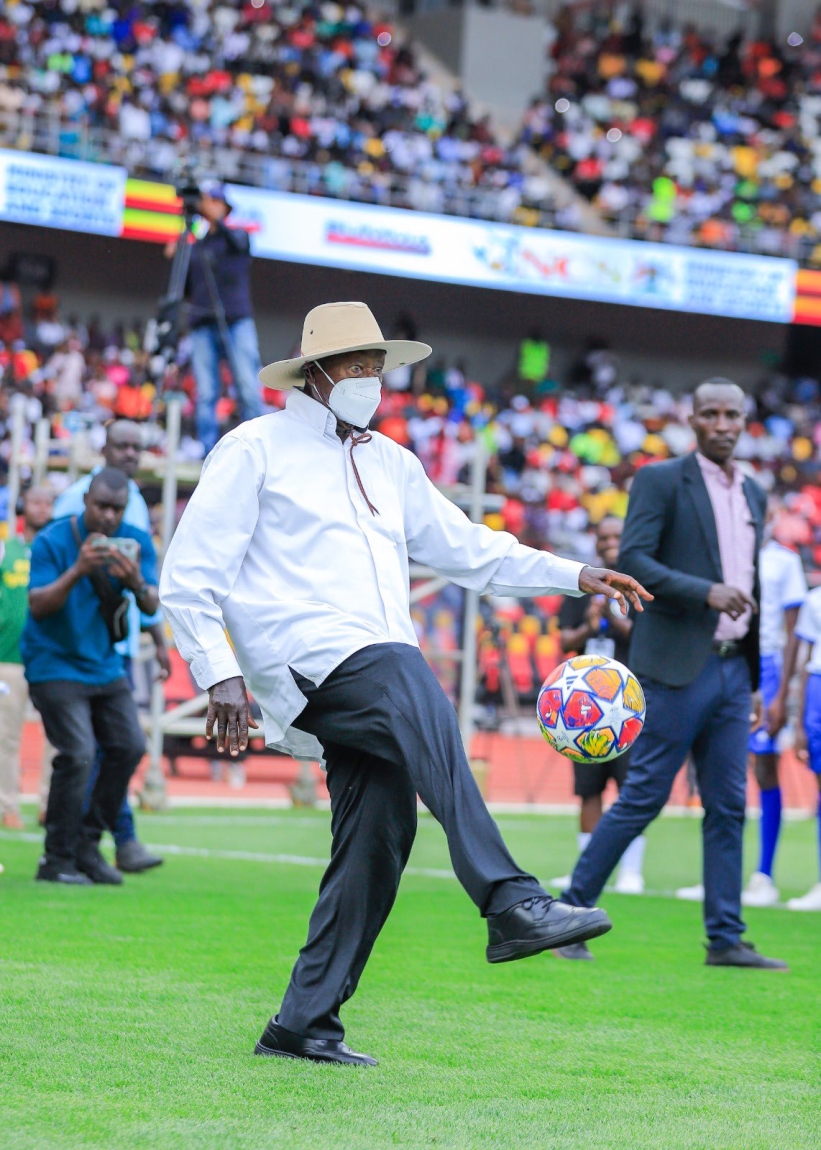
‘Today I am comfortable that with the addition of Hoima, with the addition of Aki-Bua, and the way Mandela is being redone, on the level of international football, I think we have ticked the boxes, finally,’ he said.
Ogwang also welcomed FUFA’s continued engagement with Government on the future of Kadiba, including discussions on the long-term use of the facility and the possibility of expanding its playing capacity.
He noted that not every match would need to be played at the major national stadiums, with facilities such as Kadiba capable of supporting selected domestic and football activities.
The Minister further urged stakeholders to view AFCON 2027 as an opportunity to develop sustainable sports facilities and revenue-generating activities beyond the tournament.
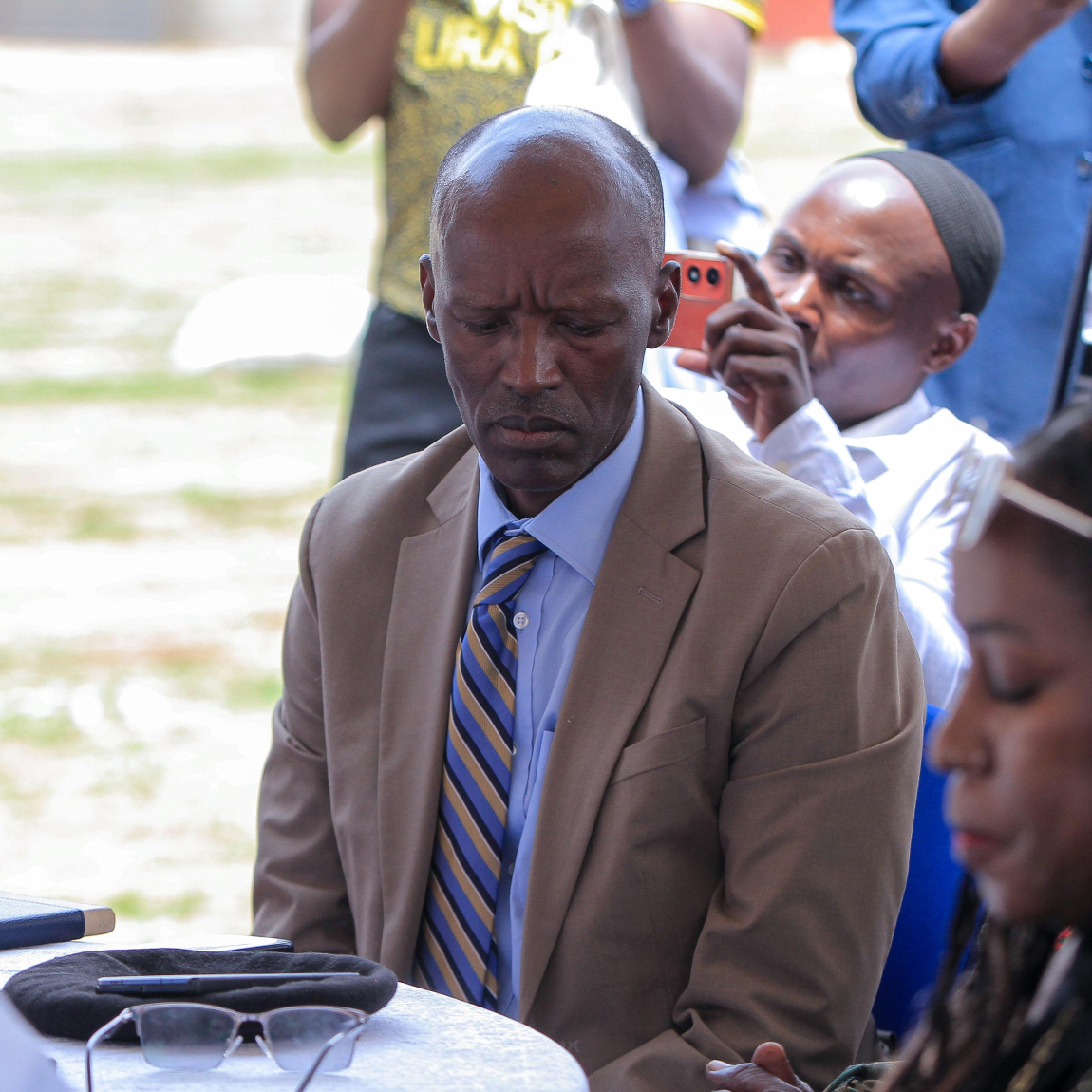
The handover was witnessed by NCS Chairman Ambrose Tashobya; a FUFA delegation led by President Hon. Magogo Moses Hassim; FUFA Executive Committee members; and representatives from the Ministry of Works and Transport and the Ministry of Defence and Veteran Affairs.
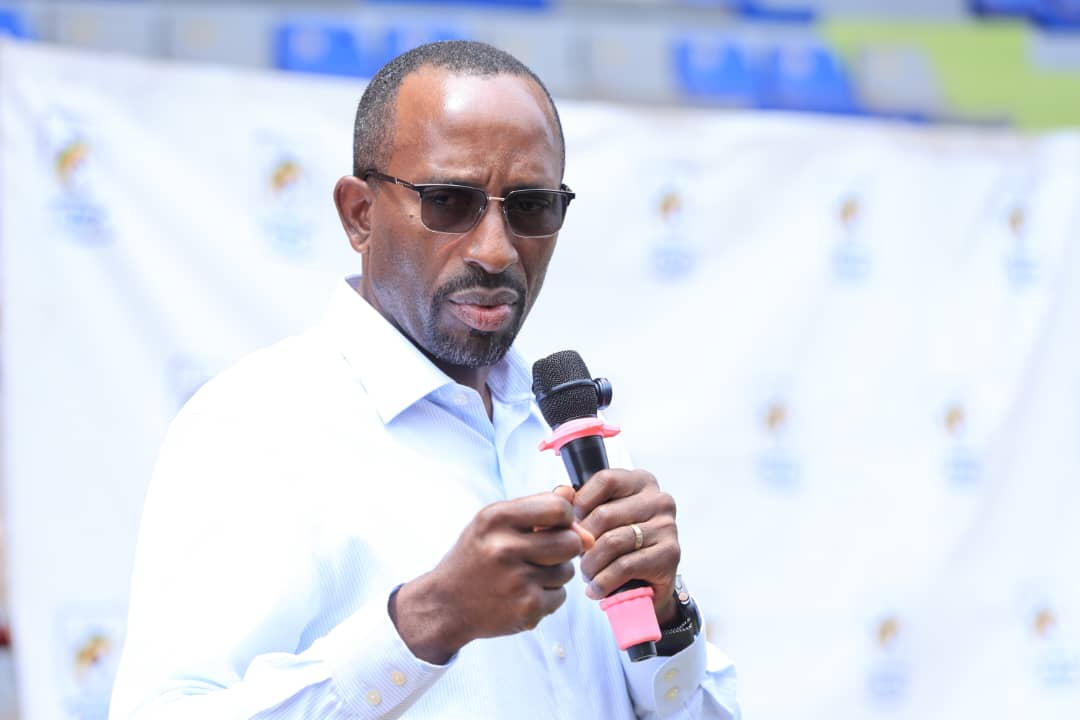
FUFA pledged its full cooperation with NCS and the contractor throughout the redevelopment process to ensure the facility is completed on time and to the required standards.
‘The most important thing is to have the facility ready and in time,’ Magogo said.
Once completed, FUFA Stadium, Kadiba will form part of Uganda’s wider AFCON 2027 infrastructure programme while continuing to serve as a home for football development, domestic competitions and the surrounding community.


