The historic performance of African national teams at the FIFA World Cup 2026 has highlighted the importance of sustained investment in coaching, talent development and strong football structures, areas that remain central to the Federation of Uganda Football Associations’ (FUFA) long-term development strategy.
Nine of the 10 African teams that participated at the global showpiece progressed from the Group Stage to the Round of 32, representing a 90 per cent qualification rate, the highest in the history of the competition.
Africa was represented by Algeria, Cabo Verde, Côte d’Ivoire, Democratic Republic of Congo, Egypt, Ghana, Morocco, Senegal, South Africa and Tunisia, with Egypt and Morocco reaching the Round of 16, while Morocco achieved a second consecutive FIFA World Cup Quarter Final appearance.
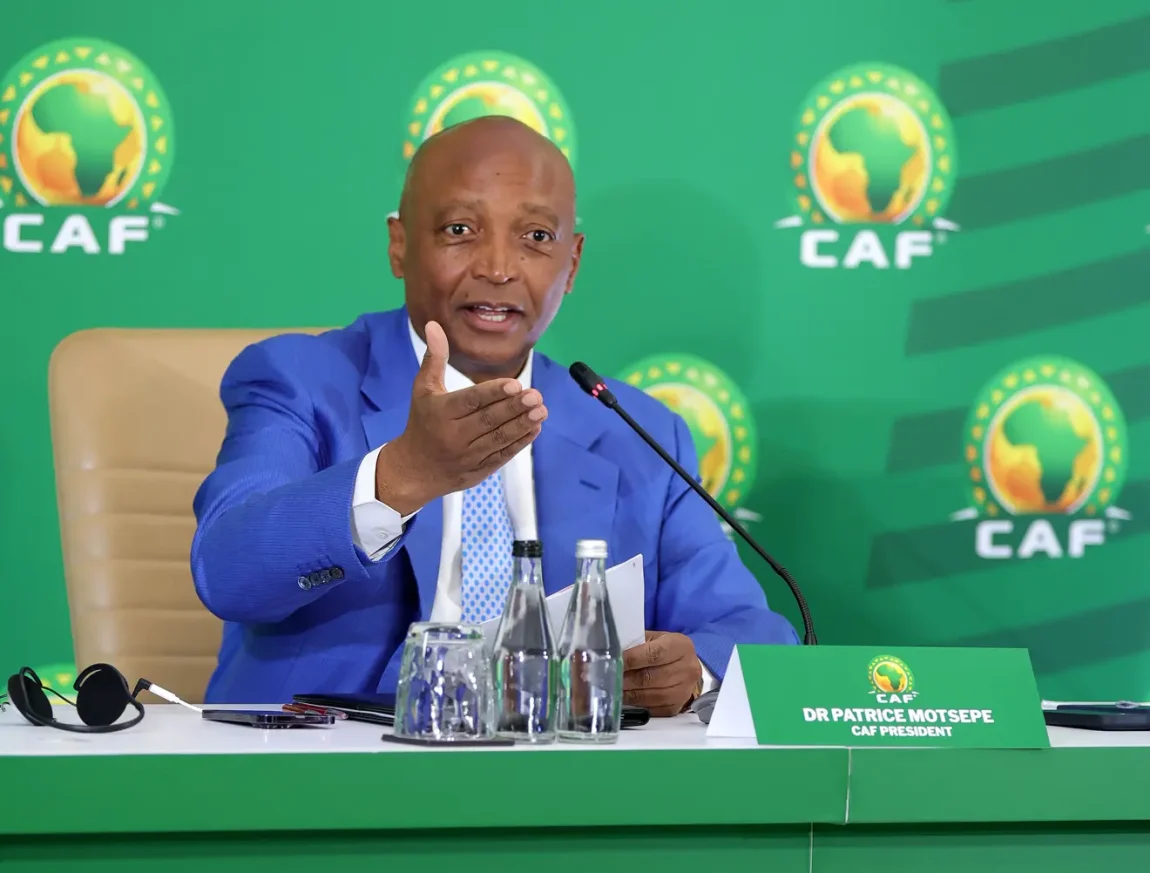
CAF President Dr. Patrice Motsepe described the performances as a significant milestone for African football while emphasising the need for continued investment in the foundations that support national team success.
‘Significant progress and successes were achieved by the African National Teams at the FIFA World Cup 2026 and I am very proud of their performances. The 9 African National Teams that qualified from the Group Stage to the Round of 32 made history at the FIFA World Cup 2026, as this is 90% of the African National Teams that participated, and is the highest percentage to qualify to date,’ Dr. Motsepe said.
The CAF President noted that while progress had been made, there was need to continue strengthening technical structures, coach education and player development systems across the continent.
‘We have also identified specific areas where there is room for improvement and I am confident that the coaches, technical teams and players will implement the necessary improvements,’ he added.
CAF will also host a conference bringing together national team coaches, technical teams, former African national team players, football experts and stakeholders to evaluate the performances of African teams at the FIFA World Cup 2026 and make recommendations ahead of the FIFA World Cup 2030.
‘CAF will be hosting a conference and will invite the National Team coaches, technical teams, former African National team players and other football experts and stakeholders to evaluate and assess the performances of the African National Teams at the FIFA World Cup 2026, with the objective of making recommendations that will ensure that the African National Teams will be even more successful at the FIFA World Cup 2030,’ Dr Motsepe said.
The direction outlined by CAF aligns with FUFA’s ongoing efforts to build a sustainable football ecosystem through the FUFA Technical Master Plan 2023-2030, which focuses on strengthening football development from grassroots to elite level.
Through the Technical Master Plan, FUFA continues to invest in coach education, talent identification, youth development and technical structures aimed at creating a consistent pathway for players and coaches.
The Federation has expanded coaching development programmes through CAF-certified courses, including CAF A and CAF B Coaching Diploma programmes, while also conducting specialised technical courses in areas such as talent identification and youth development.
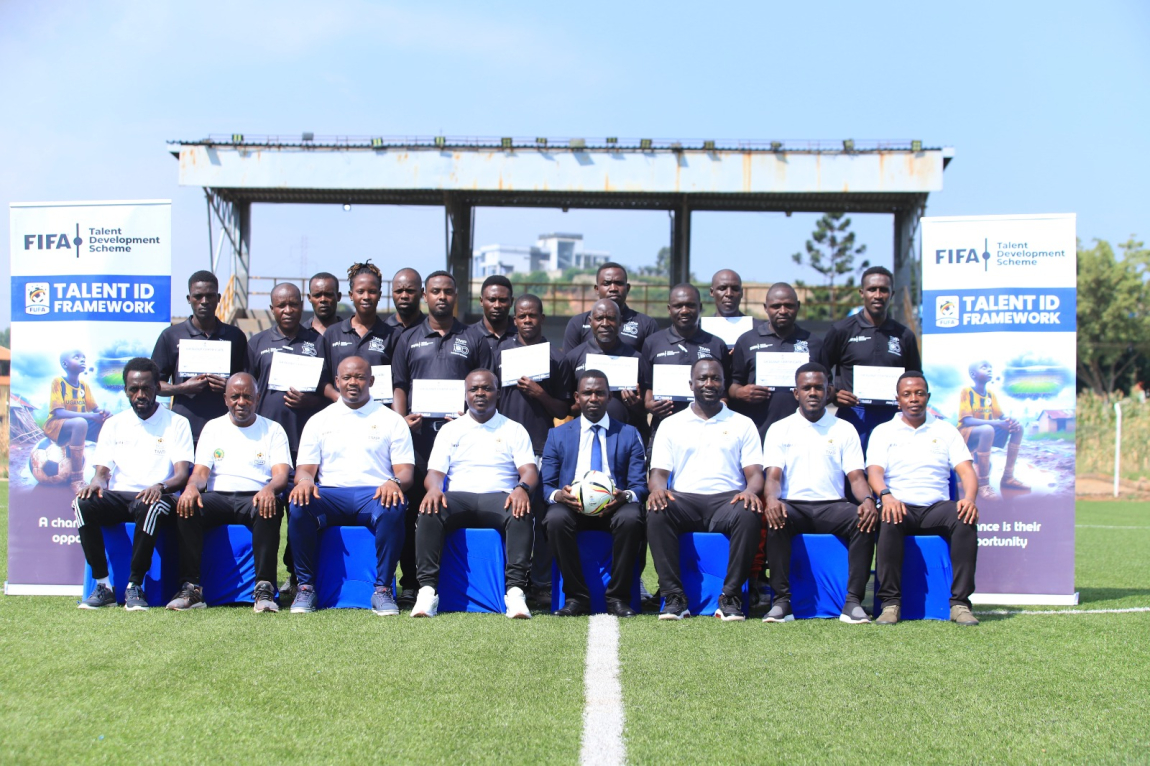
Recent programmes including the FIFA-supported Talent Identification courses and the continued implementation of structured youth development initiatives have strengthened the capacity of coaches and technical personnel involved in identifying and nurturing Uganda’s future football talent.
FUFA’s approach reflects the belief that improved technical capacity, quality coaching and organised player pathways are essential in building competitive national teams capable of competing at the highest level.
CAF has also reaffirmed its commitment to supporting football development across the continent.
‘We will continue to train and invest in our boys and girls football players, amateur football, professional Football Leagues and our National Teams in each of the 54 African countries to make African Football globally competitive and amongst the best in the world,’ Dr. Motsepe stated.


