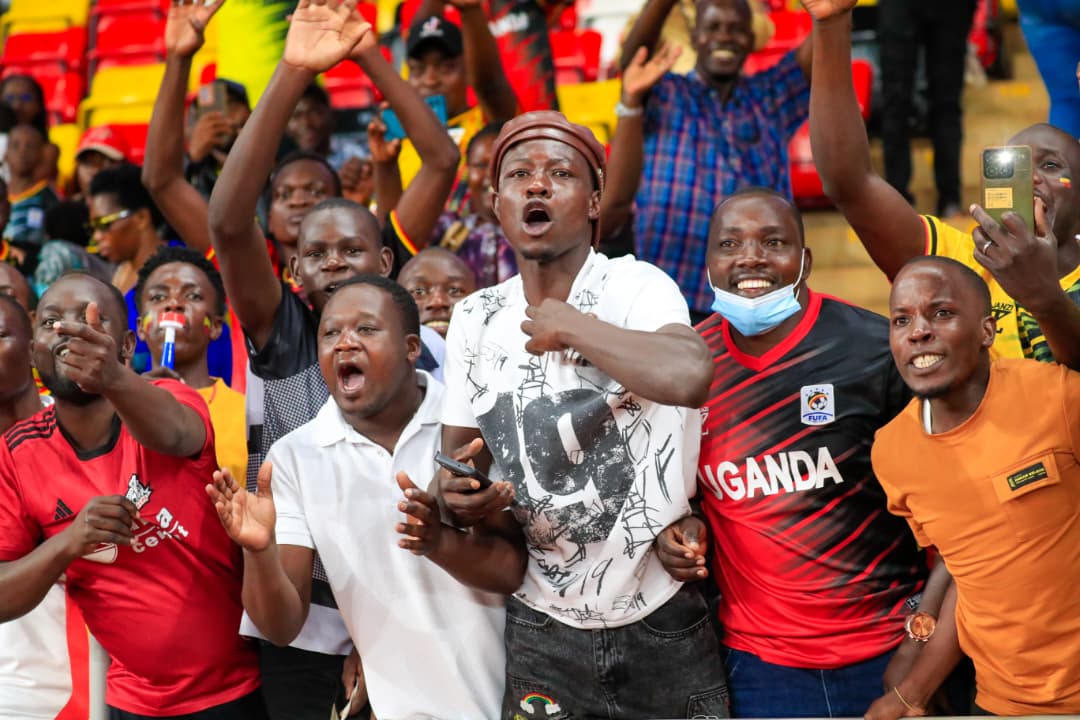
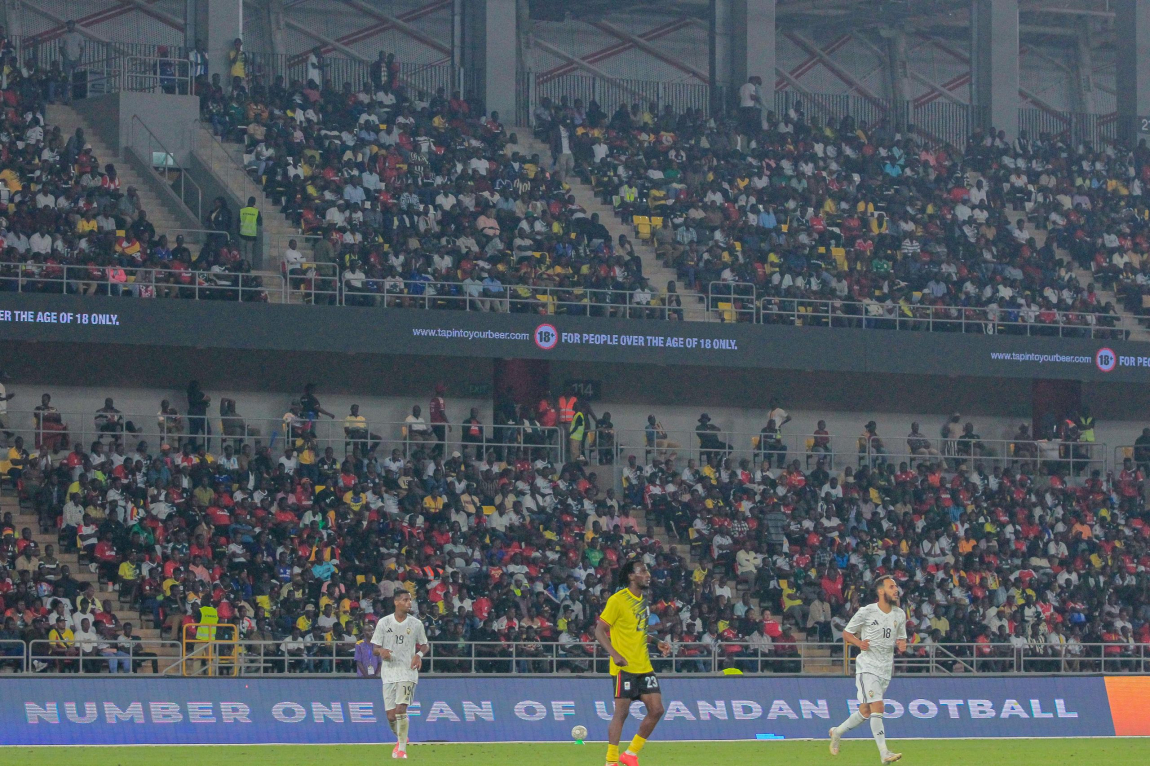
The final whistle had barely sounded when Hoima’s economy kicked into extra time. More than 15,000 fans came to witness not just to cheer Uganda’s 1-0 win over Libya, but to spend, sleep, eat and move around town. What looked like a single football match became an opportunity to serve the fans. When football goes beyond the pitch, it creates income, work and opportunity for ordinary people, stimulating demand across transport, accommodation, food and beverage, telecommunications and internet services, tourism, hospitality and retail.
In this sense, football is more than a spectacle rather a platform for inclusive economic growth. The impact begins with match-day revenue but extends through taxes, business activity, employment and higher consumer spending, much of it reaching small and informal businesses. This directly aligns with the Federation of Uganda Football Associations (FUFA) Technical Master Plan 2023-2030 to build a robust football industry that contributes meaningfully to national economic development.

The recently concluded Uganda-Libya match in Hoima City had an estimated more than 15,000 people in attendance and 16000 electronic tickets sold out. From this, the government will collect revenue through the 18% VAT on taxable transactions (ticket sales) and corporate taxes paid, which will support public service delivery.
For Hoima itself, the match created a temporary but noticeable surge in new spending activity. In the days before the fixture, and especially on match day, fans arrived from Kampala and other parts of the country. Each visitor is estimated to have spent more than UGX 50,000, which translated into demand for transport, accommodation, food, drinks and other services.
Local vendors, fast-food operators, sports merchandise, restaurants and small businesses had far more customers than on a typical day. This continued into the evening and boosted the night-time economy, extending working hours and earnings for many who depend on daily income.
The significance of Uganda’s 1-0 victory therefore went beyond what happened inside the now new fortress of the Uganda Cranes. It created a temporary economic ecosystem in the service sector, where spectator spending circulated through everyday livelihoods
- Transport: Boda-boda riders carried more passengers, evidenced by a higher trip count, extended late-night hours of work and increased frequency to fuel stations.
- Food and beverage: Restaurants and food vendors recorded an increment in sales, especially for snacks, bottled water, local and fast food.
- Accommodation: Hotels, guesthouses, and lodges hosted additional visitors, with increased occupancy rates ranging between 70-100% occupancy like Golden Castle Hotel Hoima, although some travelers faced a trade-off between affordability and quality.
- Entertainment: Entertainment venues and bars captured spending a day before and the aftermath of the match to celebrate the 1-0 win.
These gains matter because of who receives them. Much of this spending flows to small and informal businesses, where young people and women are represented. The development question is whether these benefits are shared widely, and whether affordability and quality can both be protected for visitors and local people alike.
Football’s contribution has a greater multiplier effect beyond being recreational. Its value lies in the activity it stimulates before, during and after a match. Hoima showed how a single fixture can generate direct, indirect and induced effects, acting as a catalyst for the local economy, government revenue and household livelihoods.
If one match in one town can do this, imagine a continental tournament. With less than a year (33 weeks as of 29th October, 2026) to kick off, Uganda, Kenya and Tanzania are preparing to co-host AFCON 2027. It is the first time the tournament will be staged in the East African Community, and the region’s first hosting in roughly half a century. The country expects an estimated 500,000 or more international visitors, on top of Uganda’s already vibrant and welcoming local fans.

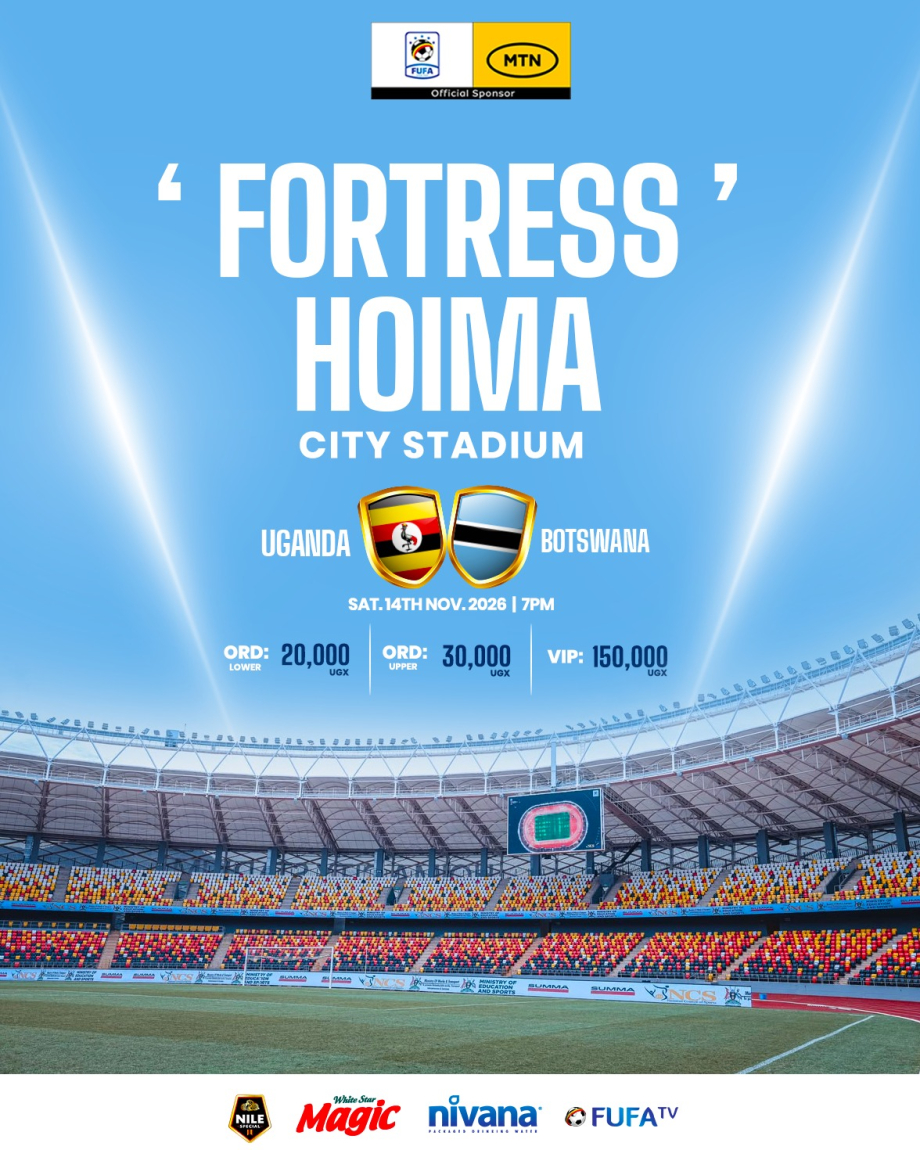
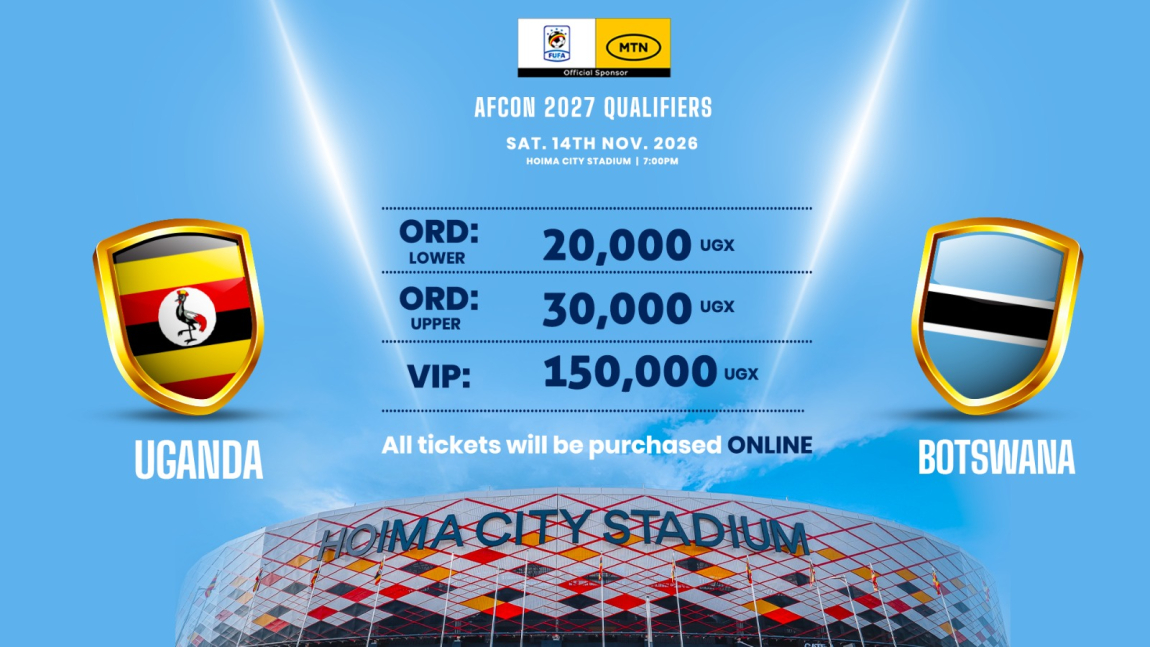
That demand will meet certain gaps in supply, in accommodation capacity, quality and affordability, transport, food, connectivity, guided experiences and retail. Each of those gaps is an opportunity to harness and a chance to bring more Ugandans into the benefits of hosting. Another immediate, low-hanging fruit is right around the corner in less than a fortnight: Uganda vs. Botswana at Hoima City Stadium on Saturday, 14th November 2026.
The tournament will not wait for anyone, so entrepreneurs, small businesses, youth and women-led enterprises act now;
- Fill the accommodation gap. Upgrade guest houses, hostels and short-stay apartments, and register with the Uganda Tourism Board. Visitors want clean, safe and fairly priced rooms.
- Raise quality and safety standards. Train staff in customer care, hygiene, food safety and basic foreign-language skills.
- Build for match days and beyond. Visitors will also want to see the Pearl of Africa, so package football with tourism.
- Go digital. Accept mobile money and card payments, list on booking and map platforms, and promote your business on social media.
- Organise and partner. Form cooperatives, associations and joint ventures to supply large orders, share costs and meet quality requirements, and work with hotels, tour operators and tournament organisers.
- Comply and plan. Register your business, obtain licences and pay taxes. This protects you, builds credibility and opens doors to formal contracts.
- Think beyond 2027. Use the tournament to build a lasting customer base, brand and reputation. The aim is a stronger business after AFCON ends, not just a spike during it.
The Time Is Now! The Uganda Vs Libya match showed what 15000 fans and more can do for a local economy, and AFCON 2027 will bring many times that number. Used well, football can do more than fill stadiums. It can put income in people’s hands, create jobs and open doors for young people and small businesses across Uganda. The whistle is not yet blown, but the game for local enterprise has already begun.